


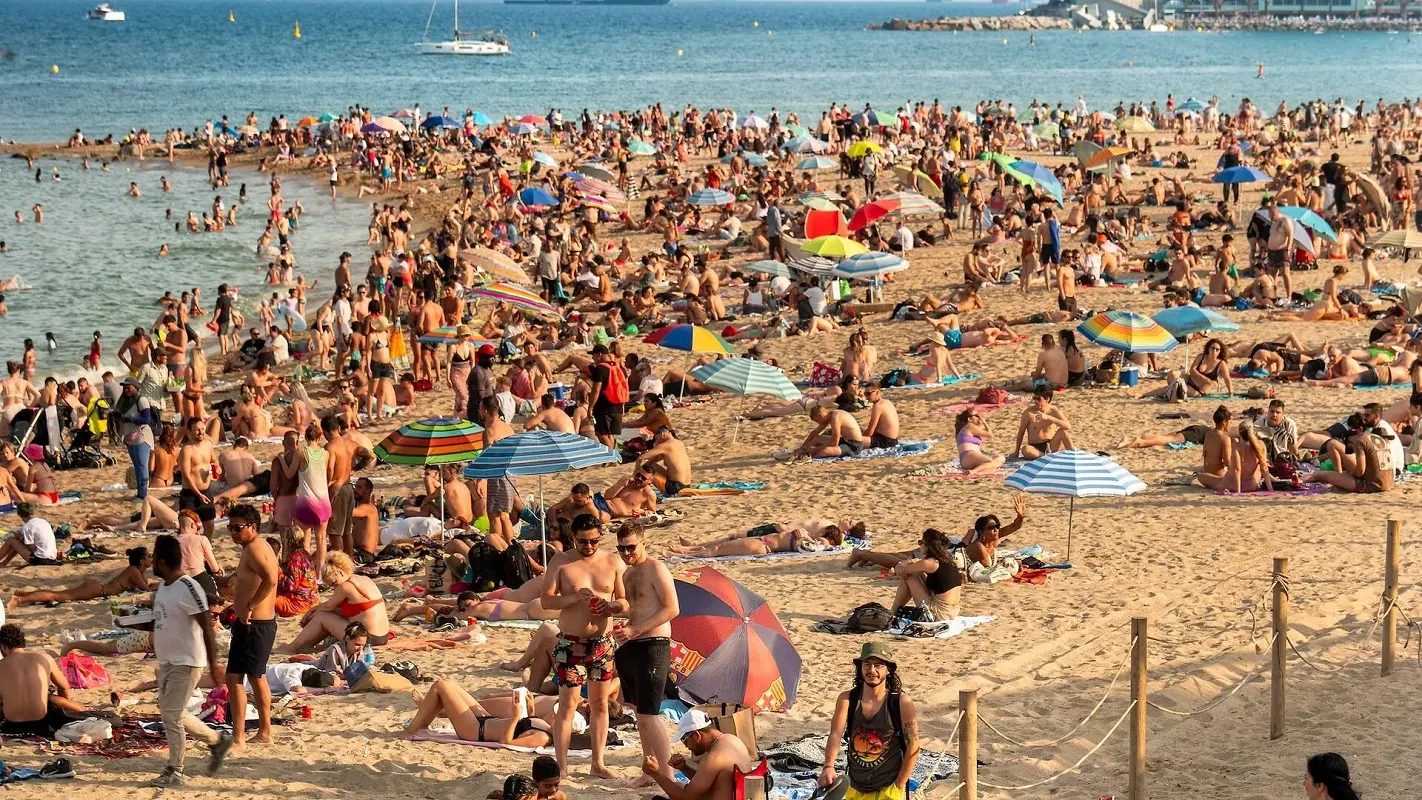
In the sweltering summer of 2025, Spain endured its hottest season on record, with temperatures soaring above 45°C during a grueling 16-day heatwave in August. This extreme weather not only scorched landscapes but also claimed over 3,800 lives due to heat-related causes—an 88% surge from the previous year. As wildfires ravaged more than 400,000 hectares and droughts gripped the nation, Prime Minister Pedro Sanchez declared a stark reality: "Devastating droughts and heatwaves are no longer rare. Some summers, it's not separate waves we face, but one long heatwave stretching from June through August. This is now the new normal."
This alarming trend, fueled by human-induced climate change as outlined by the UN's Intergovernmental Panel on Climate Change (IPCC), has prompted Spain to launch an ambitious initiative: a national network of climate shelters. Announced during a climate conference in Madrid, the program aims to provide accessible refuges from extreme heat, particularly for vulnerable populations such as the elderly, infants, those with pre-existing health conditions, and individuals without adequate cooling at home.
The shelters will repurpose existing public buildings—libraries, museums, sports centers, and even shopping malls—into air-conditioned havens equipped with seating and free water. This network builds on successful regional models already in place in Catalonia, the Basque Country, and Murcia. Barcelona, for instance, boasts around 400 such facilities, offering respite during peak heat hours. The national rollout, set to be operational before next summer, is part of a broader package of 80 government measures to combat climate impacts. Funding will prioritize regions hardest hit by rising temperatures, with additional allocations of €20 million each for flood and fire prevention in smaller towns.
Urban areas face amplified risks due to the "heat island effect," where dense construction and asphalt absorb and radiate heat, keeping cities warmer long after sunset. Data scientist Manuel Banza explains, "The heat island effect is intensified in these heatwaves and usually happens in cities. This is because we have cities that are densely built, and we have a lot of tarmac that absorbs the sun, and at the end of the day, we see that at six or seven in the evening, it's still possible to be very hot, even though it's no longer sunny, because the ground has absorbed it." Between 2015 and 2023, Spain recorded over 21,700 heat-related deaths, predominantly among those over 65, underscoring the urgency of these shelters.
While the initiative promises life-saving benefits by reducing exposure to prolonged heat, challenges remain. The frequency and intensity of heatwaves are escalating, with average temperatures rising 1.69°C since 1961. Implementation will require coordination across regions and sustained funding to ensure accessibility and maintenance. Moreover, this network is just one piece of a larger puzzle; experts emphasize the need for global emission reductions to curb climate change at its source.
Spain's climate shelters represent a proactive adaptation strategy in an era of environmental upheaval. As other nations grapple with similar threats, this model could inspire international efforts to protect communities from the escalating perils of a warming world. By turning public spaces into sanctuaries, Spain is not only saving lives but also fostering resilience in the face of an uncertain climate future.